






Gingivitis is an uncomfortable disease that affects the gums, and it is incredibly common, with nearly half of all adults aged 30 and older experiencing some form of gum disease. Because it is so widespread, many people find themselves asking: is gingivitis contagious? Whether you yourself have gingivitis or someone you know does, you might be wondering if the disease can spread. You surely don’t want to pass it off to someone you care about or contract the disease from someone, which brings us to the ultimate question: is gingivitis contagious?
Today, we’re going to debunk some myths—such as the common misconception that gum disease spreads through the air or casual contact like a cold or flu. In answering the question, “is gingivitis contagious,” we will also share some facts about how the bacteria responsible for the infection can actually be transferred through saliva, and explain why your personal oral hygiene and immune system are the real deciding factors in whether the disease develops.
Finally, we will discuss the best treatments for gingivitis, highlighting how this early stage is entirely reversible with the right professional and at-home care.
Key Takeaways
-
Gingivitis is common but reversible: It is an early stage of gum disease caused by plaque buildup, but it can be easily treated and completely reversed if caught early.
-
The bacteria can spread: If you find yourself asking, is gingivitis contagious, the answer is that while you can’t catch the disease itself like a cold, the harmful bacteria that cause it can be transferred through saliva.
-
Watch what you share: Everyday actions like kissing, sharing drinks, swapping silverware, and borrowing toothbrushes are the primary ways these microbes spread from person to person.
-
Hygiene is your best defense: Brushing twice a day, flossing daily, and getting professional cleanings every six months are the most effective ways to prevent the transferred bacteria from taking root.
-
Don’t ignore the warning signs: Left untreated, mild gum inflammation can rapidly progress into severe, irreversible periodontitis, which threatens both your teeth and your overall systemic health.
-
Stay proactive: Maintaining strong daily habits at home and partnering with your dentist will keep your gums healthy, happy, and infection-free.
What Is Gingivitis?
Gingivitis, or gum disease, occurs when the gums get inflamed thanks to a buildup of plaque on the teeth. Because plaque is a bacterial film, many people naturally wonder: is gingivitis contagious? While this plaque naturally occurs on the teeth and must be removed— often by a professional dental cleaning. If the plaque isn’t removed, it can harden over time and eventually turn into tartar (calcified plaque).
- This plaque and tartar buildup irritates the gums and usually causes bleeding.
- If gingivitis is left untreated, it can worsen and develop into periodontal disease— a severe inflammation of the gums, which causes the gums to pull away from the teeth.
Oof, gingivitis doesn’t sound fun, right? Thankfully, it’s treatable, especially when addressed early, but it makes sense why you wouldn’t want to catch or spread this disease. Which leads to the big question: is gingivitis contagious?
Is Gingivitis Contagious?
So, to answer the million-dollar question— is gingivitis contagious? Not technically.

It is highly unlikely to contract gum disease by simply coming in contact with someone else’s saliva, especially if you have good oral health. However, it’s not impossible.
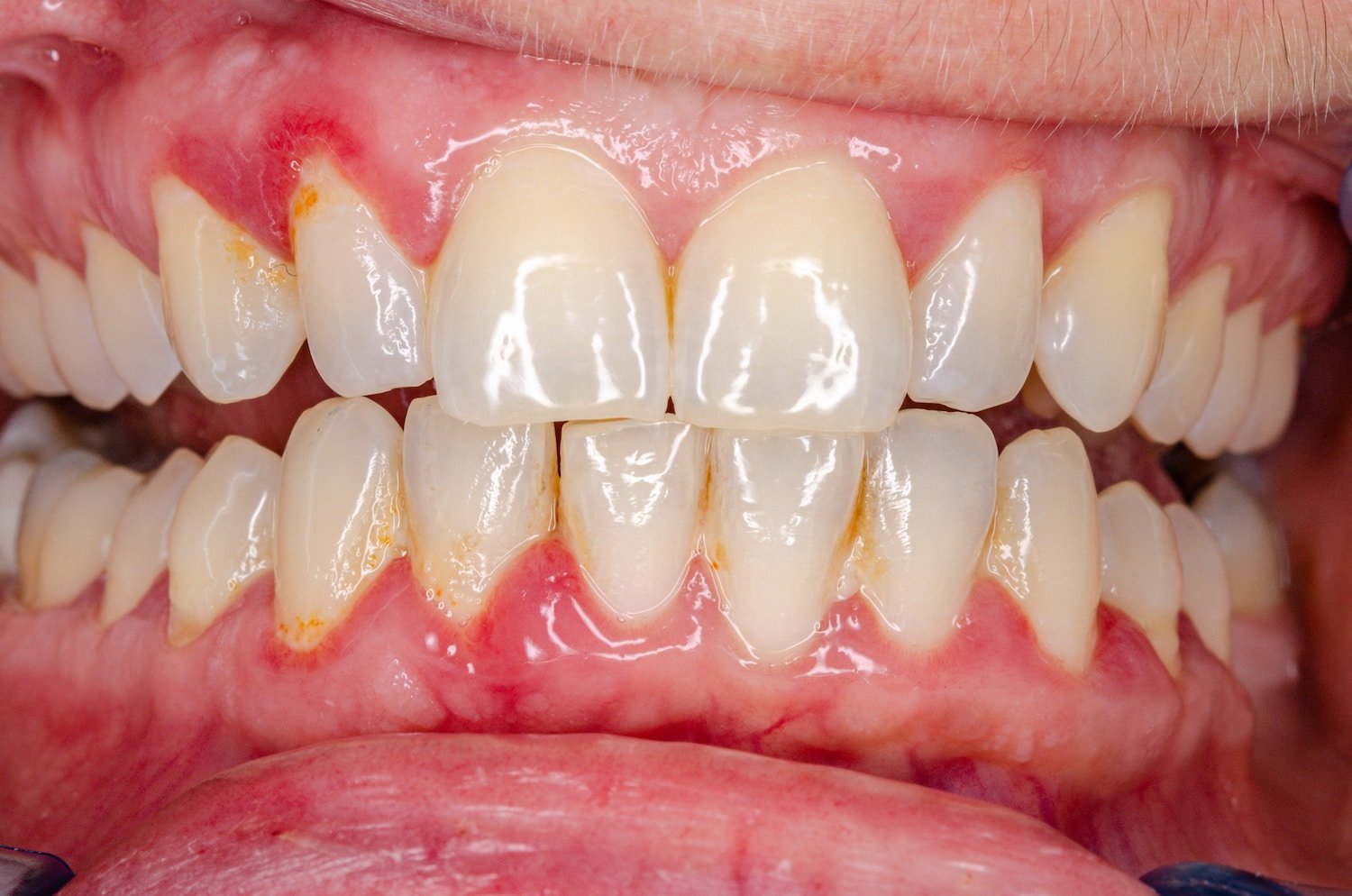
Gingivitis doesn’t spread in the way the common cold spreads. But, the bacteria that causes gum inflammation can spread through saliva-to-saliva contact. If you have poor oral hygiene and come in contact with the bacteria, this combination can jumpstart the progression of gum disease. The same goes for periodontal disease.
So, if you or your partner are still wondering, is gingivitis contagious? The bottom line is that good oral hygiene is your best defense. In short, maintain regular brushing, flossing, and professional cleanings, and you likely won’t have anything to worry about.
3 Different Ways the Bacteria Can Spread
The bacteria that causes gingivitis can spread through saliva. If you suspect you have gum disease, avoid sharing items that come in contact with your saliva to protect your loved ones and put an end to the worry of, is gingivitis contagious?
Sharing Drinks
If you have gum disease, the bacteria in your mouth can spread to a cup or straw that you’ve used. If someone else drinks from the same cup or straw, the same bacteria can spread to their mouth. Avoid sharing drinks until your gingivitis has been treated and you are back on track to maintaining healthy gums.
Kissing
You’re unlikely to get gingivitis through kissing unless you have poor oral hygiene. Unfortunately, babies have an increased risk of developing gum disease when exposed to bacteria through kisses. This is because their immune systems are still developing.
It may be difficult to refrain from kissing your baby’s cheeks, but if you have gum disease, avoid kissing anyone until it has been fully treated.
Sharing Other Items
Beyond sharing drinks and kissing, the bacteria can spread to other items that are exposed to saliva. This includes:
- Utensils
- Toothbrushes
- Waterbottles
- Food
Ultimately, when patients look at this list of everyday items and ask, is gingivitis contagious, we always emphasize that the disease requires a vulnerable environment to take root. Keep up with your daily brushing and flossing, and coming into contact with these shared items won’t automatically lead to an infection.
How to Prevent & Treat Gingivitis
The good news about gum disease is that it is almost always treatable and preventable. So, if you find yourself asking, is gingivitis contagious, remember that your best defense is to maintain good oral hygiene, which involves:
- Brushing your teeth twice a day
- Flossing at least once a day
- Getting a professional dental cleaning roughly every 6 months
- Avoiding smoking or chewing tobacco
- Getting proper nutrients through your diet
- Taking extra care if you’re on medications that increase the risk of gingivitis
Opt for fluoride toothpaste to keep your teeth free from plaque buildup, and get in the habit of flossing. We know that flossing can challenging to make routine, but the benefits are undeniable. Floss in the morning, at night, or after meals— any time of day will make a difference!
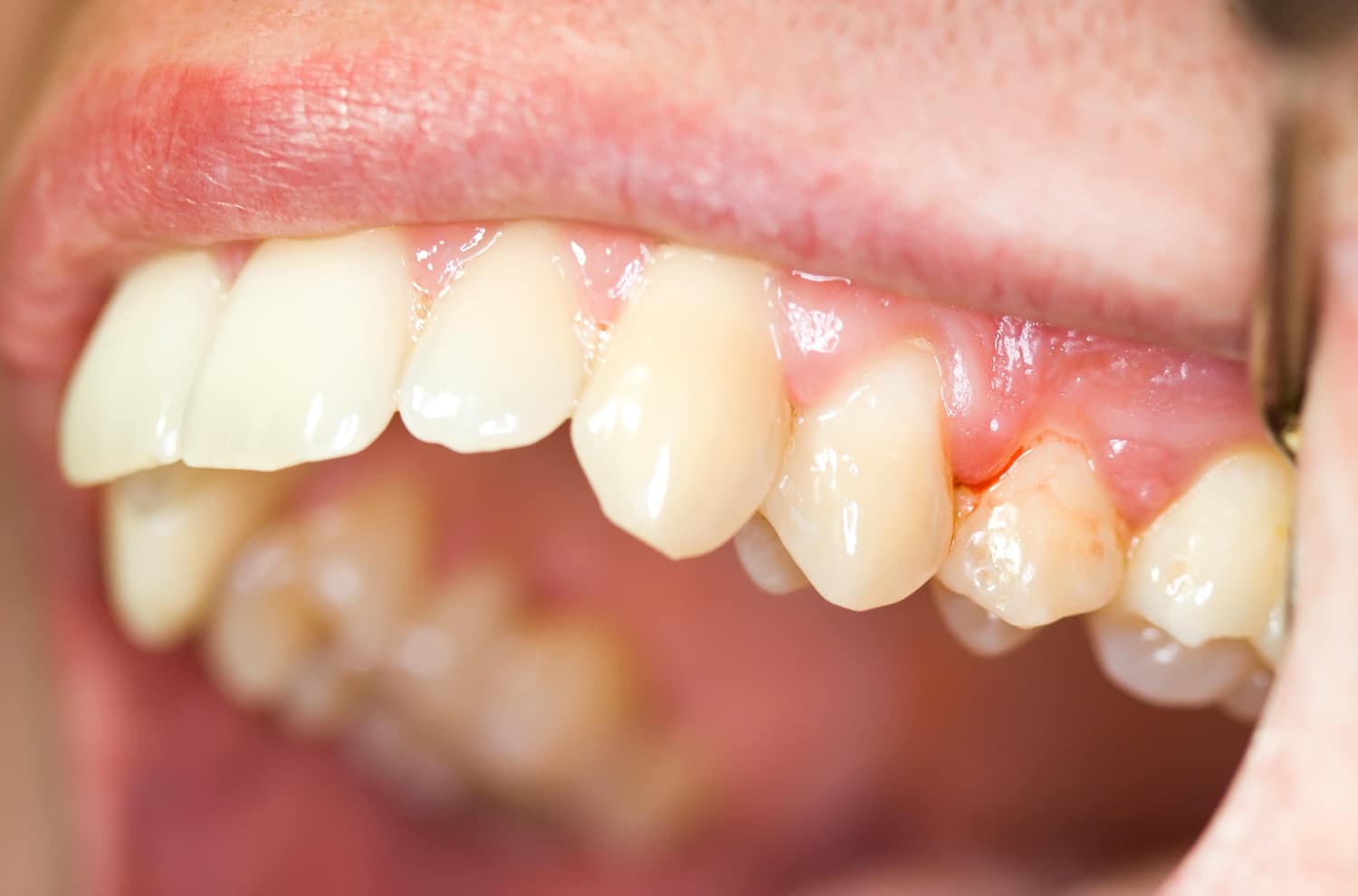
Professional cleanings are important because a dental professional will use specialized tools to remove built-up plaque. They will also be able to examine your teeth and gums and look for any signs of gingivitis. If they catch any issues early, you’ll have a better chance of treating the disease with success and stopping it in its tracks before it worsens.
Treating Gum Disease
It’s vital to treat gum disease as soon as possible. Poor oral health can lead to other health conditions throughout your body, including:
- Heart disease
- Lung infections
- Endocarditis
- Birth complications
Visit a dentist right away if you suspect you have gingivitis. Any of the following symptoms could indicate gum disease:
- Persistent bad breath
- Bleeding gums
- Inflamed or swollen gums
- Tender gums
- Loose teeth
If you are experiencing symptoms and actively researching, is gingivitis contagious, it is time to book an appointment. Your dentist will diagnose and treat your gingivitis if you do, in fact, have it. Gum disease treatment looks a lot like prevention. You’ll need to get a professional dental cleaning, brush your teeth twice a day, and floss.
Your dentist may also prescribe an antibacterial mouthwash to help expedite the healing process. In more advanced cases where gingivitis has progressed to periodontal disease, you may need to see a specialized periodontist.
The Danger of Disease Progression
When you first notice bleeding gums after brushing, your immediate reaction might be to jump online and search, is gingivitis contagious? It is a completely valid concern, especially if you share a home with a partner or family. If left untreated, what starts as mild, easily manageable inflammation can quickly transform into irreversible periodontitis. During this advanced stage, the bacterial infection actively destroys the healthy gum tissue and underlying jawbone, leading to deep gum pockets and permanent tooth loss.
Because the harmful bacteria responsible for this progression live in your plaque and travel through saliva, they are easily passed to others through everyday actions like:
-
Kissing a loved one
-
Sharing silverware or drinks
-
Borrowing a toothbrush
While you can’t “catch” swollen gums like a winter cold, this direct transfer of bacteria is the exact reason so many patients ask us, is gingivitis contagious? Understanding how these microscopic threats spread is the first step in stopping this dangerous chain reaction before it impacts your smile or your systemic health.
Keep Your Gums Healthy and Happy
Thankfully, gingivitis isn’t contagious in an alarming way. As long as you maintain good oral hygiene practices, you won’t have to worry about catching the disease from a loved one. But if you have gingivitis, avoid sharing saliva to prevent the bacteria from spreading.
At the end of the day, whether you started reading this post wondering, “is gingivitis contagious,” or just needed a refresher on gum care, maintaining your oral health at home and regularly visiting the dentist will help keep gingivitis at bay. And if you live in the Twin Cities area, you have a trusted dental partner at Wayzata Dental.
Our preventative care practices will help you maintain healthy teeth and gums. Schedule a cleaning today!
